
Working part-time at 7-Eleven in Japan is a pathway that many locals and international residents consider. The role promises not just income, but also a chance to better understand daily life in Japan.
For students, foreign workers, or anyone seeking flexible hours, 7-Eleven stores are arguably some of the most accessible employers in the country.
It’s a topic worth exploring, especially if you’re looking to supplement your finances while experiencing Japanese work culture firsthand.
Why 7-Eleven Part-Time Jobs Are Popular in Japan?
Japan’s convenience stores, often called “konbini,” are a major part of the country’s urban fabric. Among them, 7-Eleven is especially prominent.
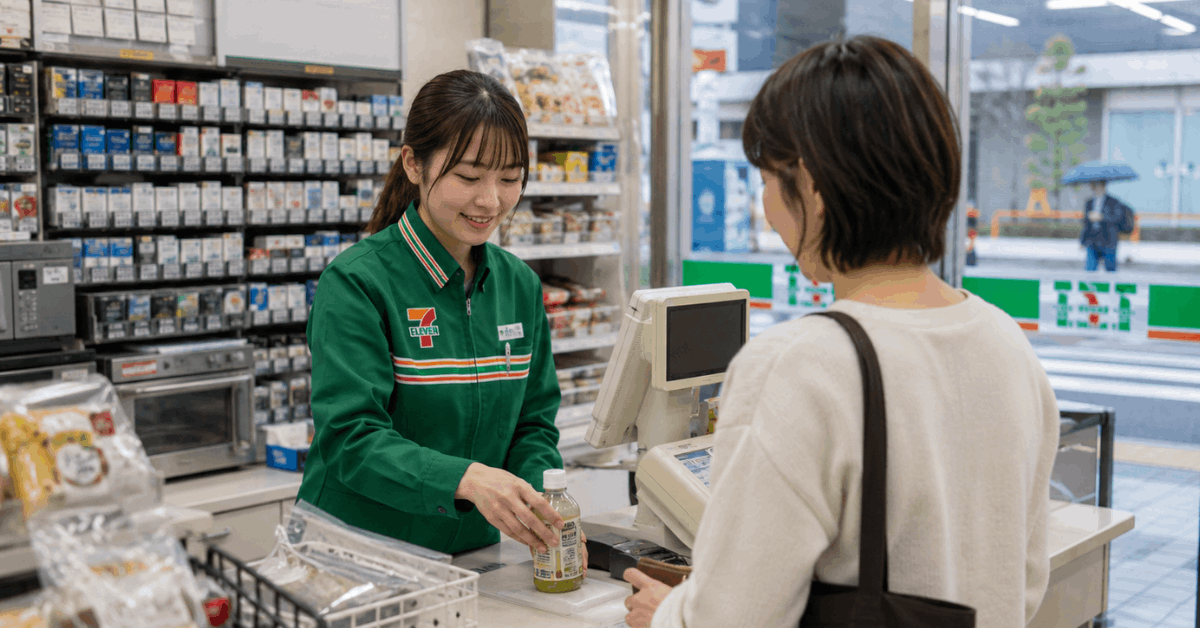
With thousands of stores nationwide, the company offers steady part-time openings nearly everywhere you go. There’s something appealing about the predictability and variety in these roles.
A job at 7-Eleven isn’t just about handling the cash register; you’ll likely handle stocking, cleaning, and helping a diverse flow of customers. In larger cities, these stores never really sleep, giving workers even more flexibility with shifts.
What to Expect From the Work Environment?
Working in a Japanese 7-Eleven usually comes with a set routine. Tasks often change depending on the time of day.
Morning shifts may involve fresh stock deliveries and display arrangements, while evenings can be about maintaining order and restocking busy shelves.
Some staff mention the steady rhythm is comforting, even if the pace occasionally spikes during lunch rushes or seasonal events.
Most locations are well-lit, clean, and support a detail-oriented attitude. It’s not always easy, and language barriers might pop up, but staff training is a regular feature and management usually helps newcomers settle in.
Who Can Apply? Key Requirements Explained
Typically, anyone over 18 can apply for a 7-Eleven part-time job in Japan. Japanese language skills are definitely helpful, but some stores consider applicants with basic conversational ability, especially in urban centers where international staff aren’t uncommon.
If you’re a foreign resident, a valid work permit or student visa with authorized part-time hours is always required.
There might be an interview, often casual, plus a simple test of practical skills. Prior experience working retail helps, though most stores prioritize a positive attitude and reliability above all else.
Understanding the Typical Duties and Responsibilities
The average day working at 7-Eleven covers a lot of ground. Employees greet customers, scan items, process payments, and pack purchases—but that’s just the start.
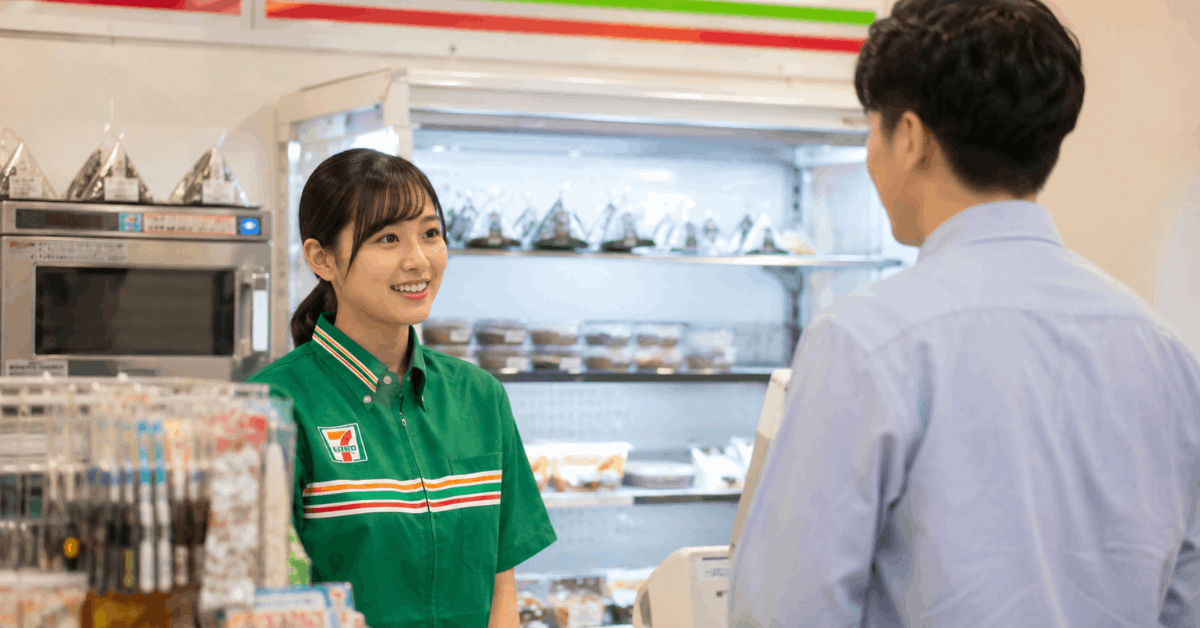
Stocking shelves, tracking freshness dates, and cleaning are standard parts of every shift. Sometimes, staff help heat up food or assist elderly customers.
You might also learn to use the in-store copy machine or bill payment terminals, which are surprisingly sophisticated in Japan.
While there’s a lot to remember, tasks are usually broken down in manuals and checklists. I’ve heard some employees feel more independent after a few weeks, even if it’s a bit hectic at the start.
How Much Can You Earn? Wages and Benefits?
Wages for 7-Eleven part-time staff depend on location. In central Tokyo, pay rates average around 1,050–1,200 yen per hour. More rural areas might offer slightly less.
Night shifts and public holidays are usually paid at a premium—sometimes up to 25% extra. As in many part-time jobs, the more shifts you take, the higher your monthly income climbs.
It’s common to work 15–28 hours weekly, but full-time part-timers sometimes approach 35 hours. Employee benefits depend on store policy, though some offer free uniforms, discounts on meals, or even modest bonuses for reliability.
Flexible Scheduling: A Major Advantage
One of the best features of the konbini workforce is flexibility. Many 7-Eleven stores operate 24 hours, allowing workers to select shifts that fit around school, childcare, or other work. Morning, afternoon, evening, and overnight shifts are all available.
Swapping shifts is sometimes possible, though advance notice is expected. For parents or students, this adaptability is a big selling point.
Still, securing only the “best” shifts can be competitive, especially in popular neighborhoods, so some flexibility is necessary from both sides.
Insights Into the Application Process
Applying for a 7-Eleven job is generally straightforward. Most stores post vacancies on their website or in-store job boards. Applicants usually fill out a short form, then attend a brief interview.
Sometimes, managers ask situational questions or check language skills. Documents needed include an ID, proof of residence, and, for international applicants, visa details.
Offers are often made quickly, especially when there’s a seasonal hiring push. New hires typically receive a few days of guided training as part of their onboarding process.
Challenges and Things to Watch For
While there’s plenty to gain from 7-Eleven jobs, there are also challenges. Fast-paced environments, especially during peak times, can be stressful.
There’s also the matter of accurate till operation and customer service standards—Japan is known for its attention to detail, and mistakes might feel more visible.
For non-native Japanese speakers, understanding announcements or handling unusual customer requests sometimes requires extra patience.
Some staff mention that adapting to store culture takes time, especially regarding teamwork and seniority dynamics.
Common Frustrations
Occasionally, schedules change with little notice if another staff member cancels. Also, some customers can be demanding or unclear, which takes practice to handle with confidence. These hurdles often become more manageable after a few months on the job.
Skills You Develop and Transfer
Working at 7-Eleven can help build practical skills that are useful in many jobs. For instance, communication and customer service become sharper thanks to frequent interactions, while multitasking abilities almost certainly improve.
There’s also a chance to grow in areas like punctuality, responsibility, and organization. Some people even find themselves interested in the logistics behind retail after spending time stocking and tracking inventory.
Lessons learned here can be added to a resume, showing future employers credible experience in Japanese work settings.
Legal and Visa Considerations for Foreign Workers
Foreign nationals aiming to work at 7-Eleven must always comply with Japanese labor and immigration laws. For students, the standard rule is a limit of 28 hours per week during the semester.
Overstepping these rules can result in visa problems or employment termination. Everyone is also subject to basic tax and social security deductions, even for part-time jobs.
Some stores partner with local labor offices to check that applicants meet all criteria before hiring. It’s worth confirming these rules before accepting a job to avoid unexpected complications.
Where to Find 7-Eleven Job Listings?
The official 7-Eleven Japan recruitment page is the most direct resource for job openings. Listings are updated regularly by store and region. Language options are usually Japanese, though some areas offer English guides.
Sites like GaijinPot and Hello Work also list konbini jobs but may serve as aggregators rather than direct application portals. If you’re already in Japan, visiting your local 7-Eleven and asking about job posters can also work.
Conclusion
7-Eleven part-time jobs in Japan can be a practical option for students, foreign residents, and anyone seeking flexible work. These roles offer steady income, real-world Japanese practice, and useful retail experience.
However, workers should prepare for busy shifts, detailed tasks, language challenges, and legal work-hour limits. With reliability and patience, 7-Eleven can be a strong starting point in Japan’s convenience store industry.