
Understanding personal loan options in Japan can be a bit overwhelming, especially if you’re new to the local financial landscape.
Aiful, a prominent consumer finance provider, has become a popular choice for those seeking convenient, speedy loans.
This article unpacks the requirements, explores the key advantages, and shares insights for people considering their first Aiful personal loan. Whether you’re a local or an expat, knowing your borrowing options makes financial planning much less daunting.
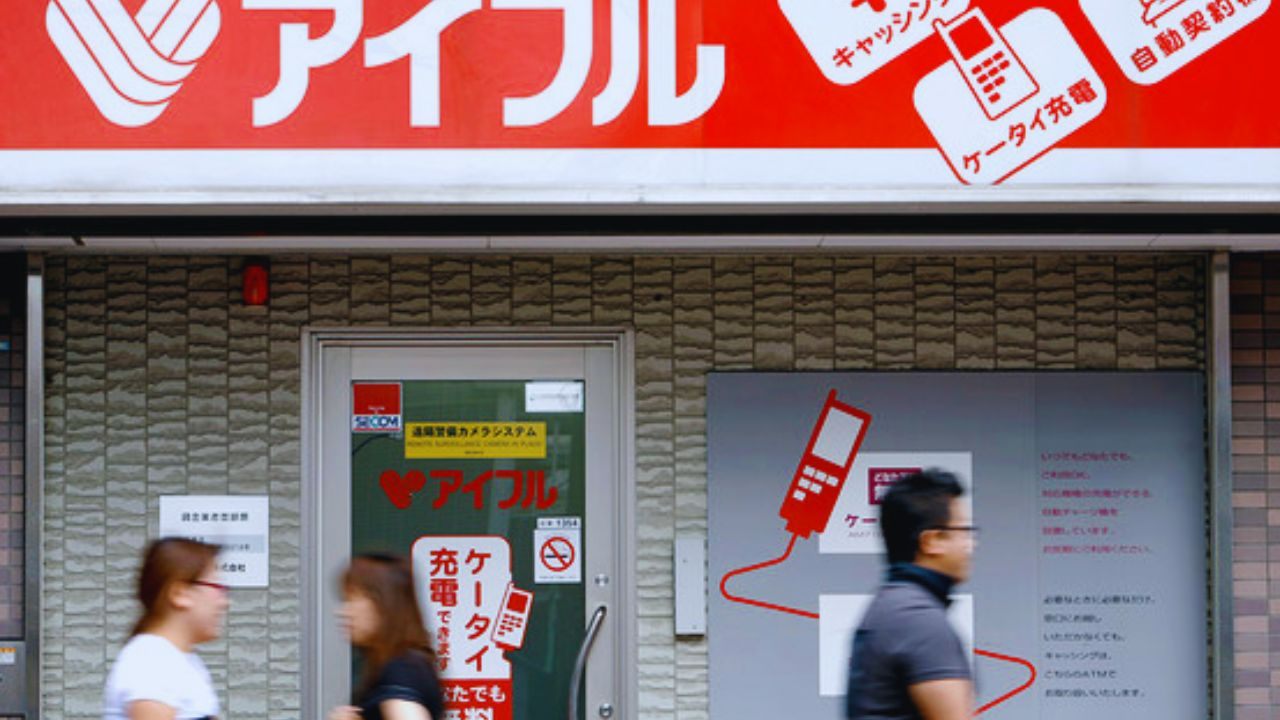
What Is Aiful? Key Features and Services
Aiful is a well-established loan company in Japan, recognized for accessible personal loans and user-friendly services. Their lending products are commonly sought after due to their quick response times and streamlined application process.
Rather than focusing only on promotional angles, it’s worth noting that many customers report appreciating the transparency and clear communication provided by Aiful. Still, anyone thinking about taking on debt should weigh their options carefully.
Aiful Personal Loan Requirements in Japan
Qualifying for an Aiful loan usually isn’t a complicated process, but several criteria must be met. These basic requirements exist to protect both the lender and borrower, and to encourage responsible lending. Here’s what potential applicants should factor in:
Minimum Age and Residency Status
Aiful personal loans are available to Japanese citizens and most foreign residents, provided you are at least 20 years old and not older than 69.
You might wonder if residency length or visa status matters—generally, having a stable and valid visa increases your chances, but company policies may change, so this isn’t always a strict rule.
Permanent residents typically experience a smoother application process. Those on long-term visas can also be eligible, but sometimes with extra checks.
Stable Income Requirements
Applicants must show they have steady employment or a reliable income. Full-time employees, contract workers, and even part-time earners may all apply, but evidence of income—such as payslips or tax documents—is essential.
The bank may, in some cases, carry out extra checks or interviews. A lack of steady income does not always mean rejection, but it can limit the amount you’re able to borrow.
Students and homemakers might find it a little tougher to qualify unless they can provide a guarantor or some collateral, which isn’t a universal requirement, but occasionally appears in stricter evaluations.
Credit History Considerations
Your credit history will be checked, typically through Japanese credit bureaus. While a spotless record may not be necessary, previous delinquencies or unsettled debts can lessen your approval chances.
Some applicants without any Japanese credit record at all—say, recent arrivals—might experience a little more questioning.
However, Aiful’s approval algorithms often consider broad factors, not just scores. It’s possible to succeed with a reasonably average history, especially if your income is reliable.
The Aiful Loan Application Process
Navigating the Aiful loan application has become quite straightforward, thanks to digital tools and friendly staff. Applications can be filed online, by phone, or at physical branches.
Digital applicants, in particular, might appreciate the real-time feedback the system provides, often within minutes. That said, delays sometimes happen if document verification is required.
Documents Required
- A valid photo ID (passport, residence card, or driver’s license)
- Proof of income (recent payslips, tax certificates, or bank statements)
- Proof of address (utility bills, rental contract, or official mail)
While the documentation list seems simple, the process can feel overwhelming at first—particularly if you don’t have all documents at hand.
Phone support is available to clarify requirements, and Aiful staff generally help applicants troubleshoot document issues, should they arise.
Application Review and Approval Time
For many, approval is possible on the same day, especially for straightforward applications. Complex backgrounds, missing documents, or unusual employment statuses can mean a few days’ extra wait.
It’s not unusual to feel a bit anxious during the process, but most applicants who meet the basic requirements report satisfactory processing times. In some rare cases, a phone interview might be requested for clarification.
Loan Disbursement
Once approved, funds are often deposited to the applicant’s Japanese bank account quickly—sometimes in as fast as an hour, particularly during business hours.
Weekends and holidays can cause short delays. Some people with branch access prefer to collect funds directly, but this option seems less common nowadays with digital banking advances.
Key Benefits of Aiful Personal Loans
There are several perks associated with Aiful personal loans. The speed of both application and disbursal appeals to many individuals who need access to fast funds. But the benefits don’t end at convenience.
Flexible Loan Amounts and Terms
Loan amounts typically range from modest sums to larger figures depending on income and creditworthiness. The flexibility in repayment terms means borrowers can tailor their payment schedule to better fit their needs.
For example, some people prefer biweekly payments, while others might settle on monthly. This adaptability is often cited as a positive point in reviews.
Yet, it’s worth noting that shorter repayment periods often attract lower total interest, which could sway decision-making for anyone prioritizing total cost.
Transparent Interest Rates
Aiful is known for displaying their interest rates clearly, typically from around 3% to nearly 18% annually, depending on risk factors and loan type.
The rate assigned will depend on an individual’s profile; perhaps not everyone qualifies for the lowest advertised rate, though. Some applicants, especially with less-established credit, may be offered rates toward the higher end.
No Collateral Required
Most Aiful personal loans are unsecured, meaning there’s generally no need for home, car, or other collateral. This lowers the upfront barrier for applicants and reduces risk exposure in the loan process.
Of course, repeated missed payments can still impact your credit score and lead to collection actions, but asset loss is less likely compared to a secured loan.
24/7 Online Access
The Aiful online platform allows users to check balances, repayment schedules, and outstanding amounts any time. This visibility helps borrowers manage their budget better—though a good dose of self-discipline is always necessary.
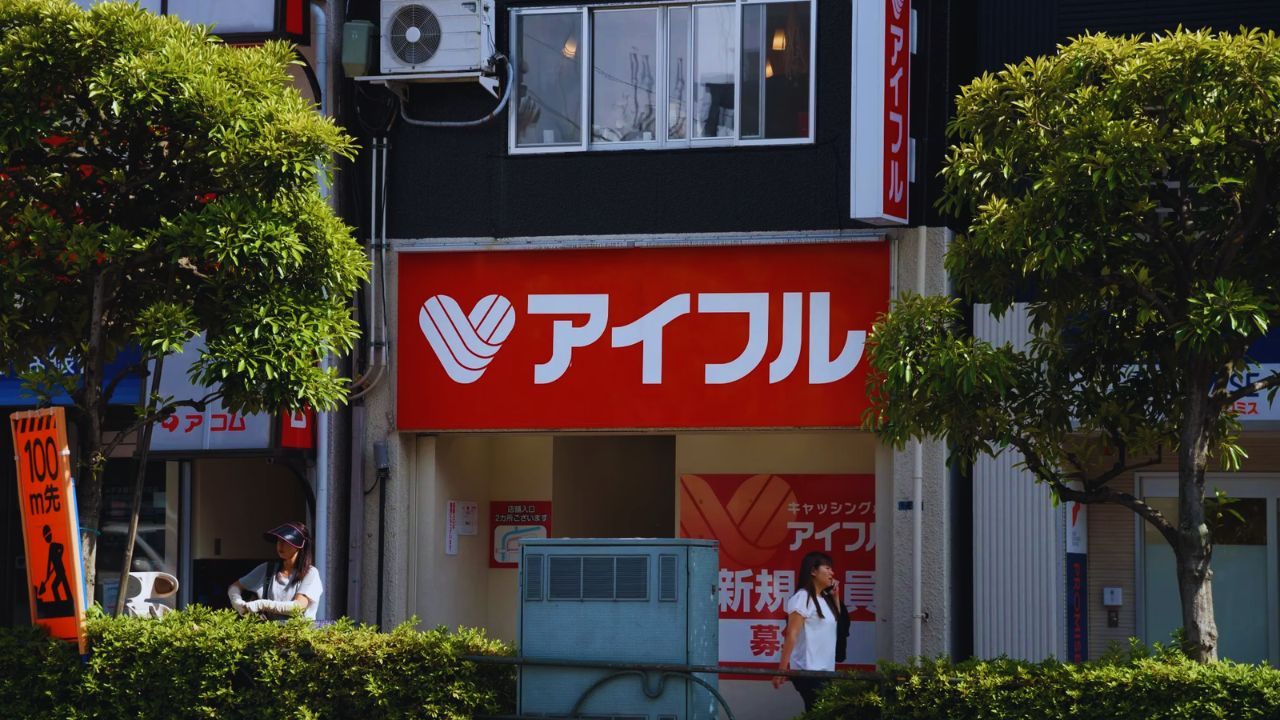
Repayment and Fees Structure
Aiful’s fee structure is fairly transparent. Late fees apply, but prepayment penalties typically do not, so settling your loan ahead of time is possible if you wish.
That said, considering the potential for changes in fee policies, double-checking the latest fee notices is a good habit for prospective borrowers.
Automatic deductions and convenient ATM payments further reduce the chances of missing payment deadlines, but accidents do happen, so setting reminders can help.
Risks and Responsible Borrowing
While the accessibility of personal loans like those from Aiful can be a lifesaver during emergencies, borrowing always introduces some level of risk. Over-borrowing can lead to a spiral of debt, especially with higher interest products.
It’s not always obvious up front, but small, repeated loans do add up quickly. Perhaps pausing to consult with a financial advisor—even if just briefly—may be worth considering, especially for those unfamiliar with the Japanese credit environment.
Some applicants might find it useful to visit independent consumer advice websites for an objective perspective.
Alternatives to Aiful Personal Loans
There are several other reputable consumer finance providers in Japan. For those browsing alternatives, companies such as Promise, SMBC Mobit, or JACCS might suit different needs.
Traditional banks also offer personal loans, although their processes can be somewhat stricter and slower. Comparing the terms, eligibility criteria, and customer service experiences may impact final decisions.
No one lender is perfect for everyone, and what suits one person might not be ideal for another.
Best Practices for Japanese Loan Applicants
Best practices for Japanese loan applicants help borrowers prepare documents, compare terms, manage credit, and apply responsibly with greater confidence.
- Calculate the exact amount you need—borrowing more often costs much more in interest.
- Read all terms and full contracts, even the fine print. Surprises are rarely fun in personal finance.
- Track your repayments diligently. Setting calendar reminders or using finance apps might help keep things in order.
- Consider your long-term financial plans before committing. A short-term fix shouldn’t derail future goals.
- Explore independent comparison sources, like consumer finance advice sites or forums.
Conclusion
Aiful personal loans in Japan can support borrowers who need flexible access to funds, but smart use starts with understanding eligibility, application steps, rates, and repayment terms.
By preparing documents and comparing needs carefully, applicants can make confident decisions while using loan benefits responsibly and avoiding unnecessary financial strain overall.